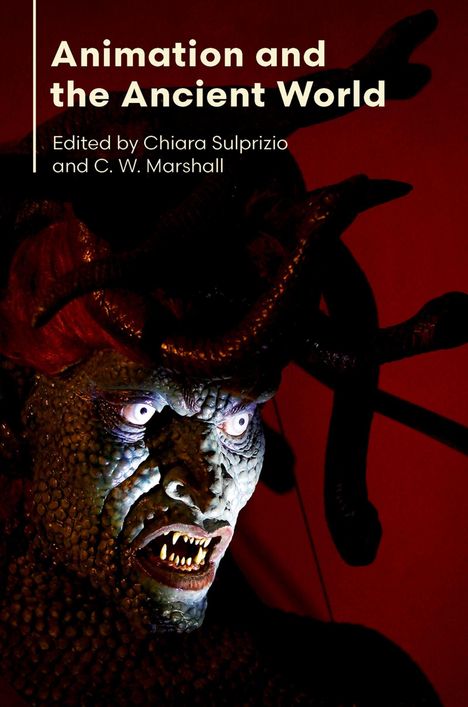
Animation and the Ancient World, Kartoniert / Broschiert
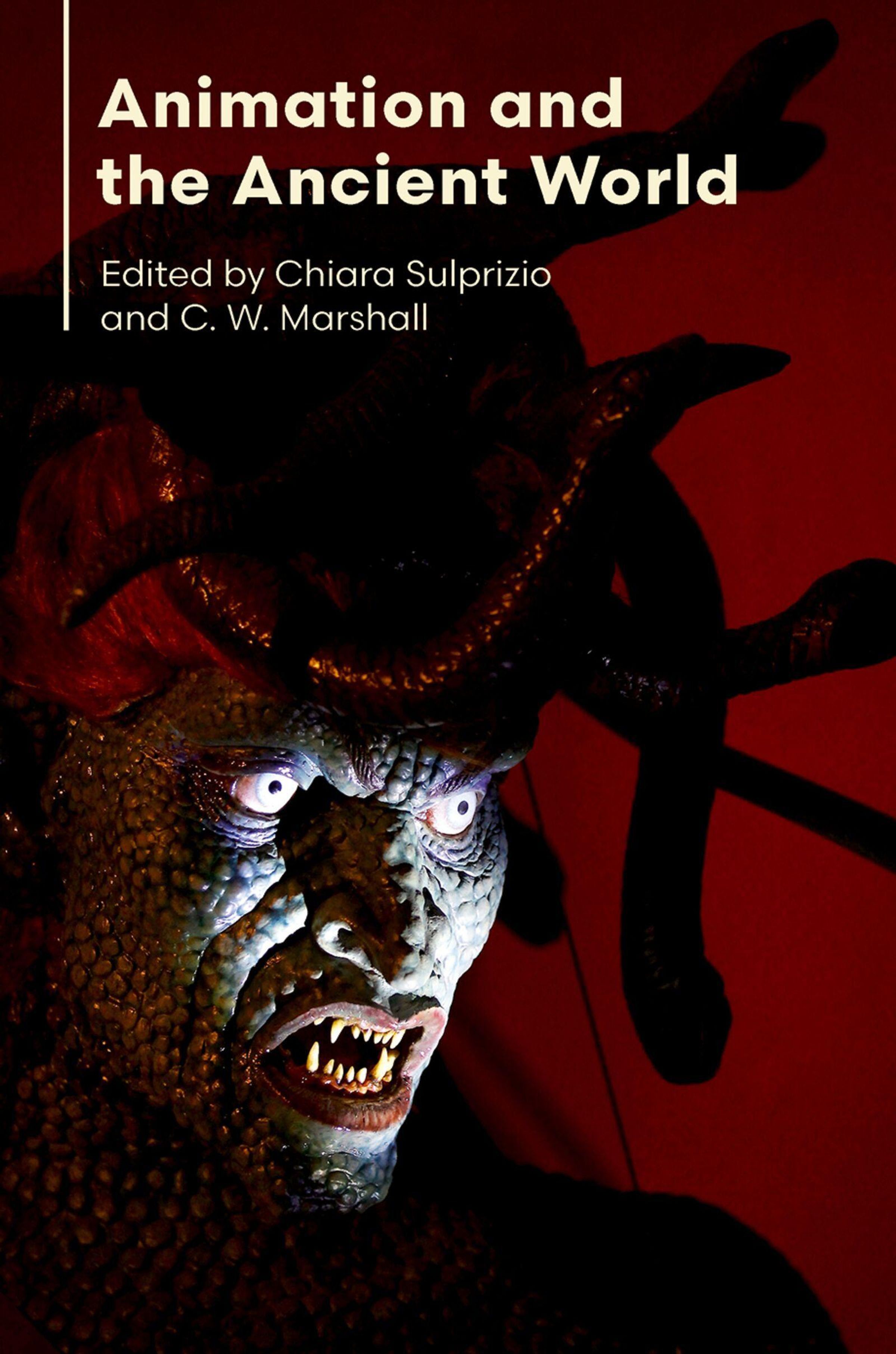
Animation and the Ancient World
(soweit verfügbar beim Lieferanten)
- Herausgeber:
- Chiara Sulprizio, C W Marshall
- Verlag:
- Oxford University Press, 06/2026
- Einband:
- Kartoniert / Broschiert
- Sprache:
- Englisch
- ISBN-13:
- 9780197800799
- Artikelnummer:
- 12627015
- Umfang:
- 352 Seiten
- Gewicht:
- 481 g
- Maße:
- 234 x 158 mm
- Stärke:
- 21 mm
- Erscheinungstermin:
- 4.6.2026
- Hinweis
-
Achtung: Artikel ist nicht in deutscher Sprache!
Weitere Ausgaben von Animation and the Ancient World |
Preis |
|---|---|
| Buch, Gebunden, Englisch | EUR 181,22* |
Klappentext
The representation of the ancient world in film has long been an established site of scholarly interest, but animation remains understudied. Given the medium's popularity and its role as an access point to ancient history for young audiences, it deserves more attention and analysis. Why do certain elements of the ancient past resonate and recur in cartoons? Do these productions render the ancient world more accessible, or do they reinforce a sense of distance? This collection of sixteen essays, written by a diverse group of leading scholars, offers answers to these questions as it explores how animation has utilized ancient stories, handed down through mythology, history, and philosophy.
In the first section, "Heroes," chapters reflect on the enduring popularity of Hercules, Odysseus, and Icarus, as they explore how mythological tropes, characters, and imagery are frequently mixed and matched to create hybrid interpretations of these timeless tales. "Worlds," the second section, expands outward from the heroic realm and contemplates how animation enables the re-creation of fantastical ancient landscapes. Contributors investigate the classically inspired escapist utopia of Cloud Cuckoo Land in animated productions such as The Lego Movie , Adventure Time , and Gravity Falls , as well as the deployment of the concept of katabasis (descent to the underworld) in features such as Spirited Away and Weathering with You. The last section, "Histories," shows how animation has been used to reconceive the events of the Greco-Roman past in vivid and sometimes subversive ways. Contributors show how Soviet animations drew upon the wise men of antiquity to promote Soviet ideology, and how other productions used representations of Alexander the Great, the Emperor Nero, and the ideas of the philosopher Xenophon to re-evaluate ancient styles of political leadership.
This collection adopts a global perspective and shows how an analysis of these productions might not only help us better understand how ancient history is received by a modern audience but can also reveal new aspects of ancient texts themselves, offering clearer and more expansive visions of the past and present.