
Andrea Rissing: Fields of Opportunities, Gebunden
Fields of Opportunities
- New Farmers, Small Farms, and What Comes After Industrial Agriculture
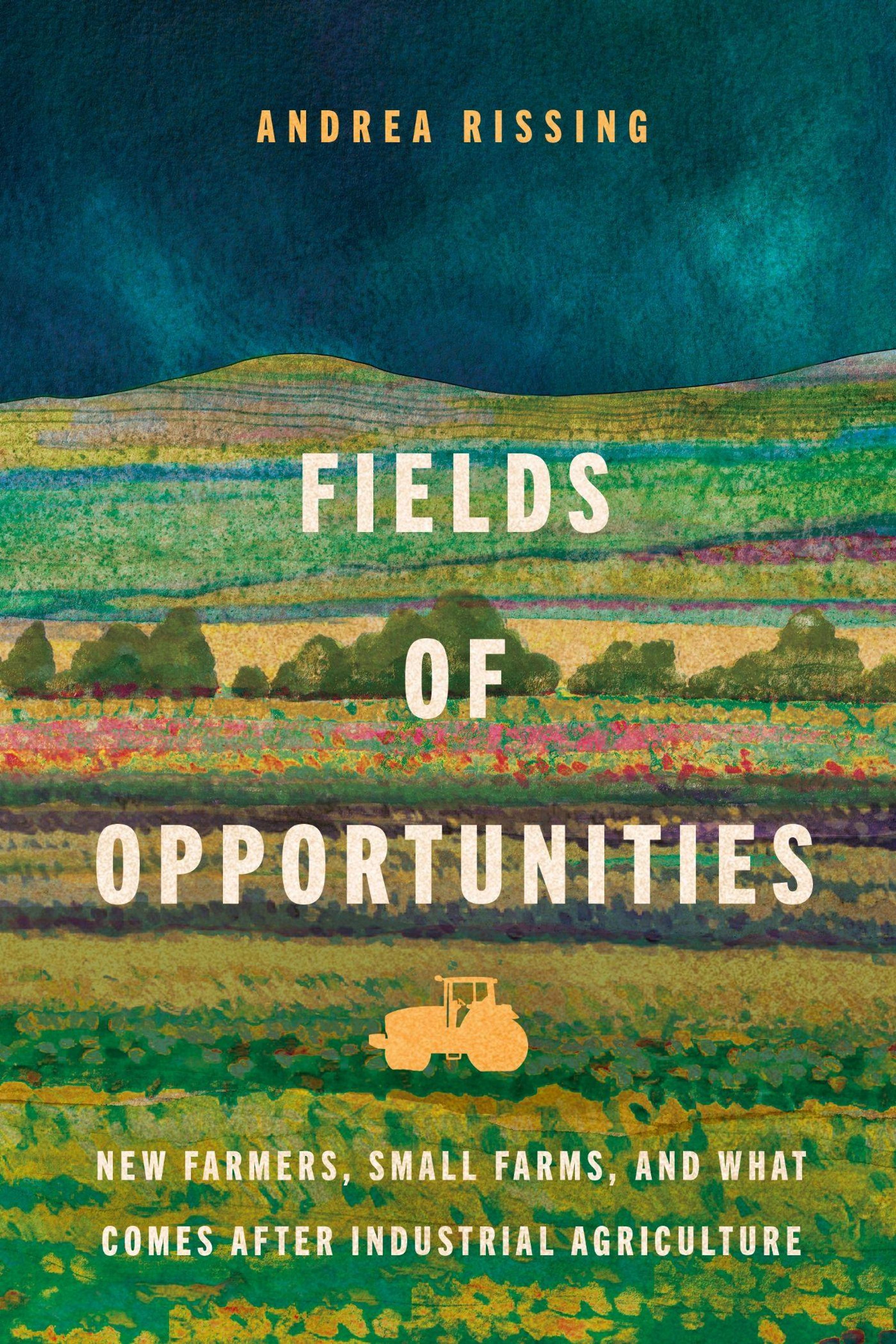
Sie können den Titel schon jetzt bestellen. Versand an Sie erfolgt gleich nach Verfügbarkeit.
- Verlag:
- Stanford University Press, 02/2027
- Einband:
- Gebunden
- Sprache:
- Englisch
- ISBN-13:
- 9781503643628
- Artikelnummer:
- 12637734
- Umfang:
- 224 Seiten
- Erscheinungstermin:
- 23.2.2027
- Hinweis
-
Achtung: Artikel ist nicht in deutscher Sprache!
Klappentext
Iowa is often referred to as the "most altered" landscape in the United States -- over 99.9% of its native prairie has been plowed for farming. Today, it is the country's leading producer of corn, hogs, and eggs, and its landscape is synonymous with industrial agriculture. And yet, scattered in between the state's massive grain monocultures, small-scale, agroecological farms are improbably emerging in the heartland of "Big Ag." On operations as small as a single acre, a new crop of farmers seek to feed their communities by growing food in harmony with nature.
The de novo appearance of these "alternative farms" reverses global agriculture's modern trend of supplanting human-powered agriculture with industrial production. Tracing the complex experiences of these young farmers, this book argues that the interstices of industrial agriculture are simultaneously catalyzing and constraining a new kind of smallholder farming. In doing so, the book upends over a century of thinking on the inevitable march of food cultivation towards specialization, mechanization, and financialization.
Andrea Rissing spent a decade getting to know these improbable farms through in-depth interviews and working alongside farmers to plant, weed, and harvest food by hand at the American epicenter of industrialized agriculture. She illustrates how different elements of the industrial system, such as irregular fields unsuitable for mechanical cultivation, cast-aside equipment, and familial land inheritance norms influence nascent alternative agricultural livelihoods. Creatively applying insights from critical agrarian studies to a modern context where small-scale, diversified agriculture is born anew from an industrial landscape, Rissing shows us how the same constellation of forces stretches across centuries and continents to shape processes of agrarian transformation and, ultimately, helps us rethink how we might achieve resilient and sustainable food systems.