Alexander B Bick: Minutes of Empire, Gebunden
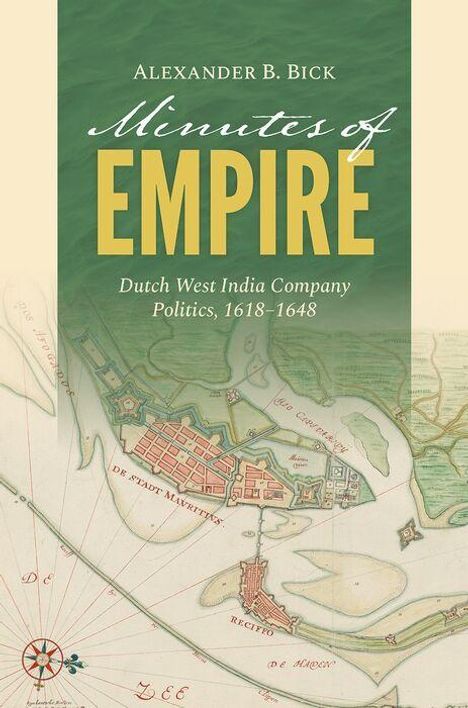
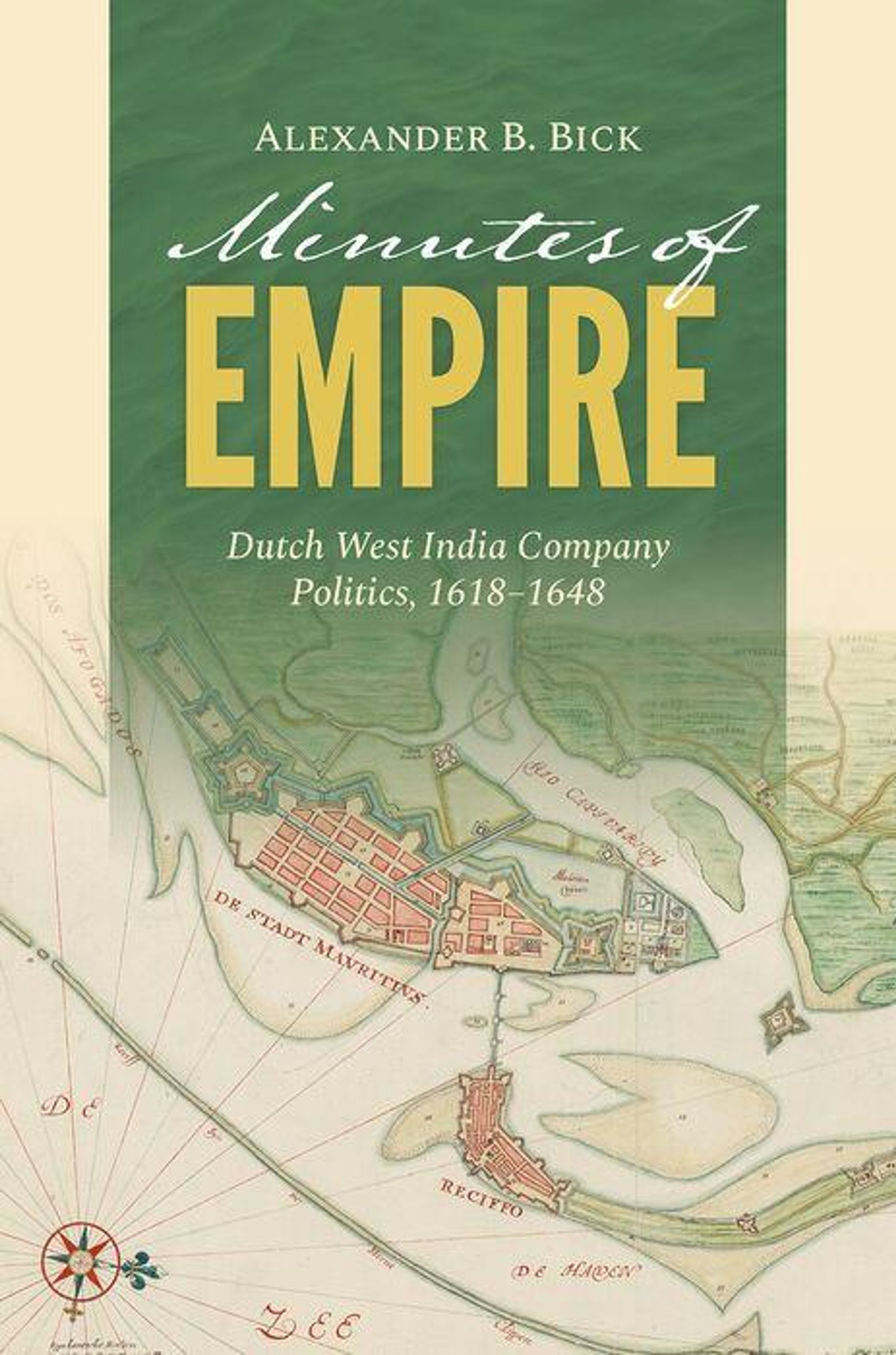
Minutes of Empire
- Dutch West India Company Politics, 1618-1648
(soweit verfügbar beim Lieferanten)
- Verlag:
- Oxford University Press, 05/2026
- Einband:
- Gebunden
- Sprache:
- Englisch
- ISBN-13:
- 9780197582831
- Artikelnummer:
- 12592142
- Umfang:
- 248 Seiten
- Gewicht:
- 481 g
- Maße:
- 238 x 164 mm
- Stärke:
- 25 mm
- Erscheinungstermin:
- 7.5.2026
- Hinweis
-
Achtung: Artikel ist nicht in deutscher Sprache!
Klappentext
In September 1645, when the directors of the West India Company gathered for their semi-annual board meeting, they faced the most important crisis in the company's history, one that would determine the fate of a burgeoning Dutch imperial project in the New World.
In this book, Alexander Bick tells the story of this meeting, applying the tools of microhistory to the boardroom of one of early modern Europe's most enigmatic trading companies. Chartered by the States General in 1621, the West India Company's principal aim was to open a new front in the struggle against Habsburg Spain by attacking its colonial revenues at their source. This required close cooperation between the company and the central organs of the Dutch state responsible for military affairs. Unlike the merchant-dominated ventures of popular imagination, the company emerges as an instrument of war in which noblemen, courtiers, and magistrates played a decisive role. Through portraits of figures like Johannes de Laet and Hendrik van der Capellen, the book reveals how the company and its leaders wrestled with fundamental questions of political authority, colonial governance, and the relationship between private enterprise and public power--questions that crystalized in the fall of 1645 in the debate over the future of the lucrative but embattled Dutch sugar colony in northeastern Brazil While this colony was ultimately lost, the West India Company's contributions to securing a favorable peace with Spain in 1648 would prove more enduring.
Minutes of Empire offers an intimate an perspective on the cosmopolitan politics of overseas trading companies that challenges conventional accounts of how empire helped to forge the Dutch state in the Republic's political and economic ascent in the Golden Age.