Agustin Mendez: Feeling with Demons, Kartoniert / Broschiert
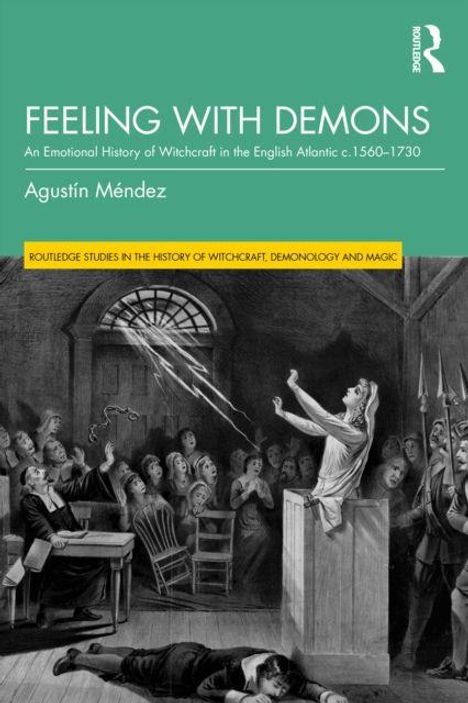
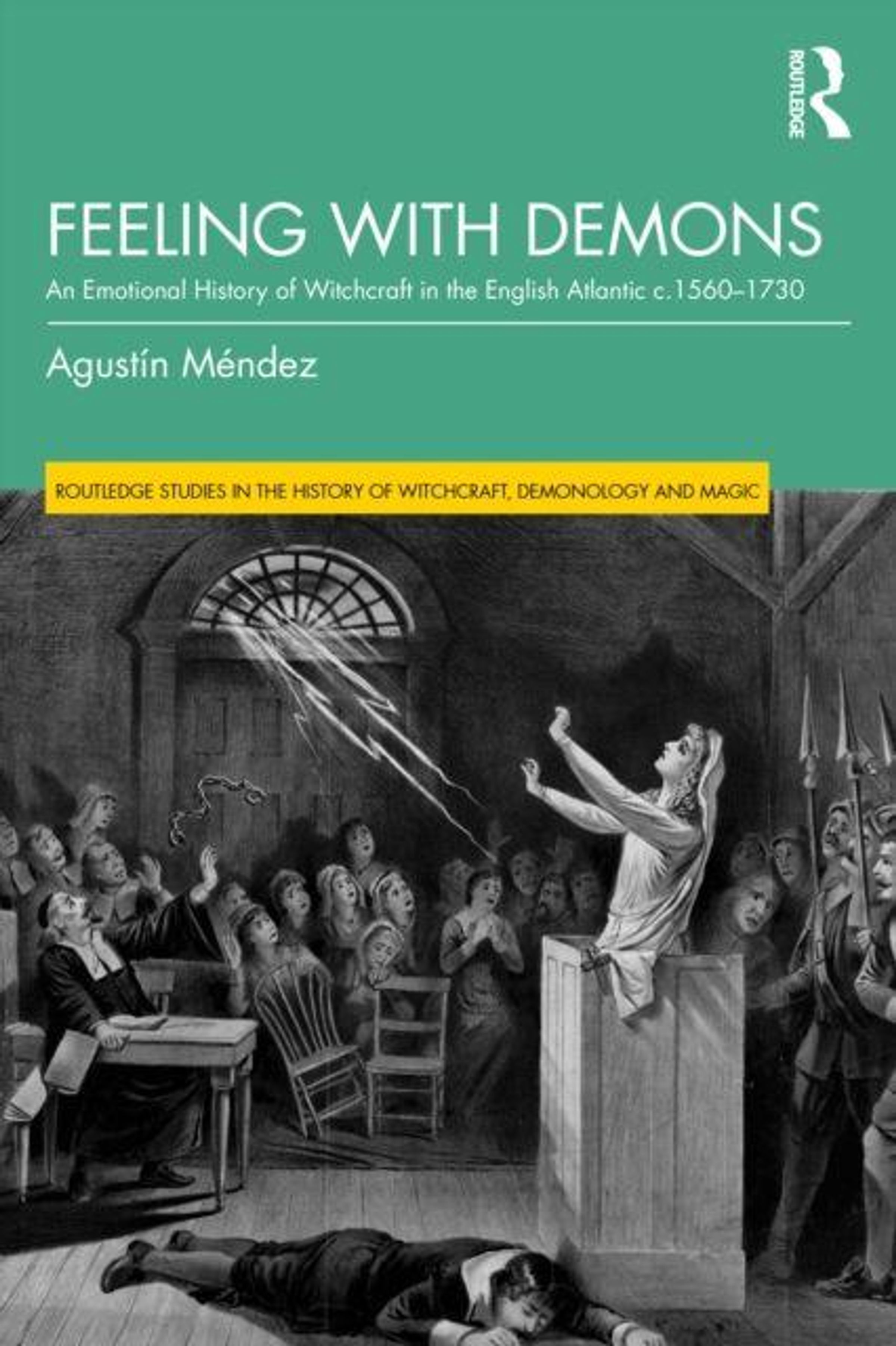
Feeling with Demons
- An Emotional History of Witchcraft in the English Atlantic c. 1560-1730
(soweit verfügbar beim Lieferanten)
- Verlag:
- Taylor & Francis Ltd, 08/2026
- Einband:
- Kartoniert / Broschiert
- Sprache:
- Englisch
- ISBN-13:
- 9781041254768
- Artikelnummer:
- 12822550
- Umfang:
- 284 Seiten
- Gewicht:
- 419 g
- Maße:
- 234 x 156 mm
- Stärke:
- 16 mm
- Erscheinungstermin:
- 31.8.2026
- Serie:
- Routledge Studies in the History of Witchcraft, Demonology and Magic
- Hinweis
-
Achtung: Artikel ist nicht in deutscher Sprache!
Klappentext
Feeling with Demons offers a renewed approach to early modern witchcraft through the lens of the history of emotions. It examines the intellectual, judicial, and emotional frameworks that shaped witch-hunting in Old and New England, as well as the personal and communal tensions that fuelled accusations, their connections to demonic possession, and the arguments advanced by those who challenged the trials.
Drawing on demonological treatises, sermons, witchcraft pamphlets, and trial records, this book investigates the emotional worlds of accused witches, victims, witnesses, as well as judicial and religious authorities. It asks which feelings demonologists encouraged or condemned; which emotions contemporaries associated with witchcraft; how alleged victims understood their affective experiences; how the accused were expected to respond before judges and juries; and what it meant, emotionally, to undergo demonic possession. By examining what people feared, hated, envied, despised, or raged against, Feeling with Demons opens revealing windows onto the experiences and lives of early modern men and women in the English Atlantic.
This book speaks to students and researchers of witchcraft, witch-hunting, and demonology, as well as to readers interested in the humanities, the social sciences, and Christian religious thought. Its emotional perspective also fosters dialogue with psychology, anthropology, sociology, literary criticism, gender studies, philosophy, and theology.