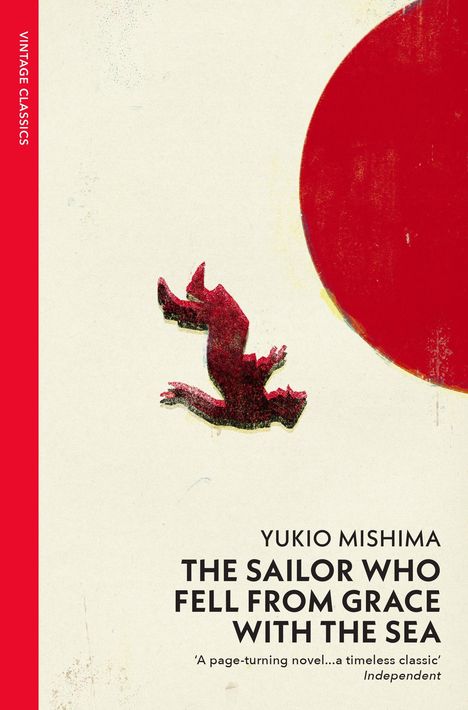
Yukio Mishima: Sailor Who Fell from Grace with the Sea, Kartoniert / Broschiert
Sailor Who Fell from Grace with the Sea
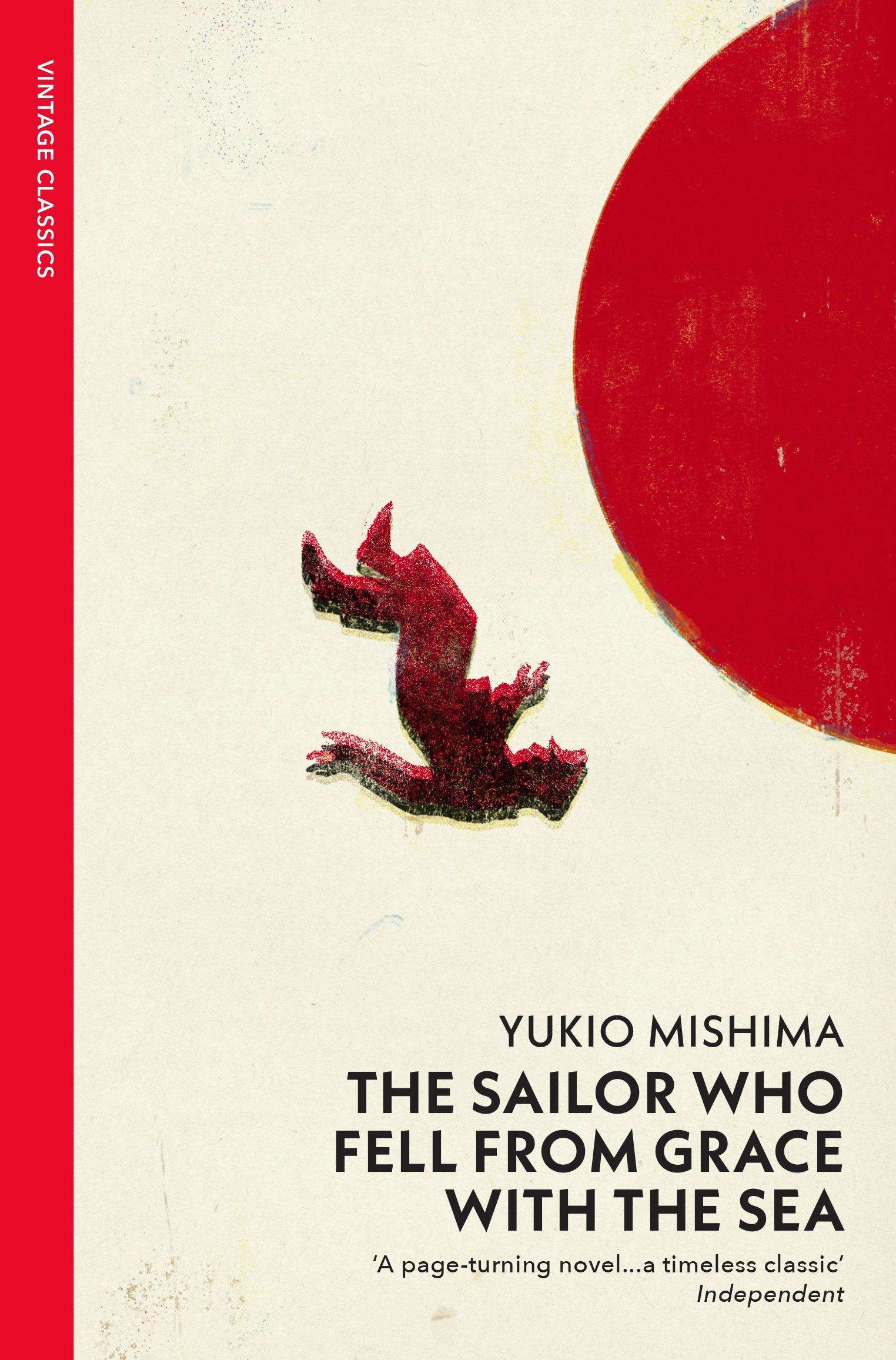
(soweit verfügbar beim Lieferanten)
- Verlag:
- Random House UK Ltd, 03/1999
- Einband:
- Kartoniert / Broschiert, ,
- Sprache:
- Englisch
- ISBN-13:
- 9780099284796
- Artikelnummer:
- 5070778
- Umfang:
- 131 Seiten
- Copyright-Jahr:
- 1999
- Gewicht:
- 143 g
- Maße:
- 197 x 129 mm
- Stärke:
- 17 mm
- Erscheinungstermin:
- 11.3.1999
- Serie:
- Vintage Classics
- Hinweis
-
Achtung: Artikel ist nicht in deutscher Sprache!
Kurzbeschreibung
'A major work of art' Time
Beschreibung
A band of savage thirteen-year-old boys reject the adult world as illusory, hypocritical, and sentimental, and train themselves in a brutal callousness they call 'objectivity'. When the mother of one of them begins an affair with a ship's officer, he and his friends idealise the man at first; but it is not long before they conclude that he is in fact soft and romantic. They regard this disallusionment as an act of betrayal on his part - and the retribution is deliberate and horrifying.
Klappentext
Noboru spies on his widowed mother, Fusako Kuroda, as she begins a relationship with Ryuji Tsukazaki, a merchant sailor he idolises as a hero.
Set in post-war Yokohama, Japan, in the late 1950s, The Sailor Who Fell from Grace from the Sea follows thirteen-year-old Noboru and a secret gang of schoolboys who have sworn to reject the adult world as sentimental and corrupt. Under the cold authority of their leader, they train themselves in what they call 'objectivity,' suppressing emotion in favour of ruthless judgement.
When Ryuji abandons the sea to pursue a settled life with Fusako, Noboru and the boys see this not as love, but as weakness. The sailor they once revered becomes, in their eyes, a traitor to heroic masculinity. Their disillusionment curdles into a calculated plan to restore what they believe is honour.
As twentieth-century Japanese historical fiction grounded in the social aftermath of the Second World War, The Sailor Who Fell from Grace from the Sea builds towards an act of chilling violence, exposing adolescent absolutism, misogyny, and the fragile myth of male heroism.
'Mishima's greatest novel, and one of the greatest of the past century' The Times
Biografie
Yukio Mishima (1925-1970) wurde nach dem Zweiten Weltkrieg zum Sprecher der jungen Generation, deren Heimatlosigkeit er zum Thema seines Werkes machte. Mit den vier großen Romanen "Schnee im Frühling", "Unter dem Sturmgott", "Der Tempel der Morgendämmerung" und "Die Todesmale des Engels", zusammengefasst unter dem Obertitel "Das Meer der Fruchtbarkeit", schloß er sein literarisches Werk ab, bevor er sich 1970 das Leben nahm.Mehr von Yukio Mishima