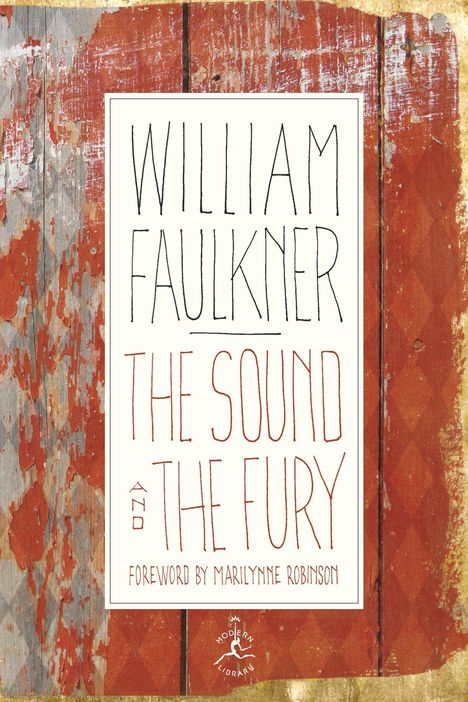
William Faulkner: The Sound and the Fury, Gebunden
The Sound and the Fury
- The Corrected Text with Faulkner's Appendix
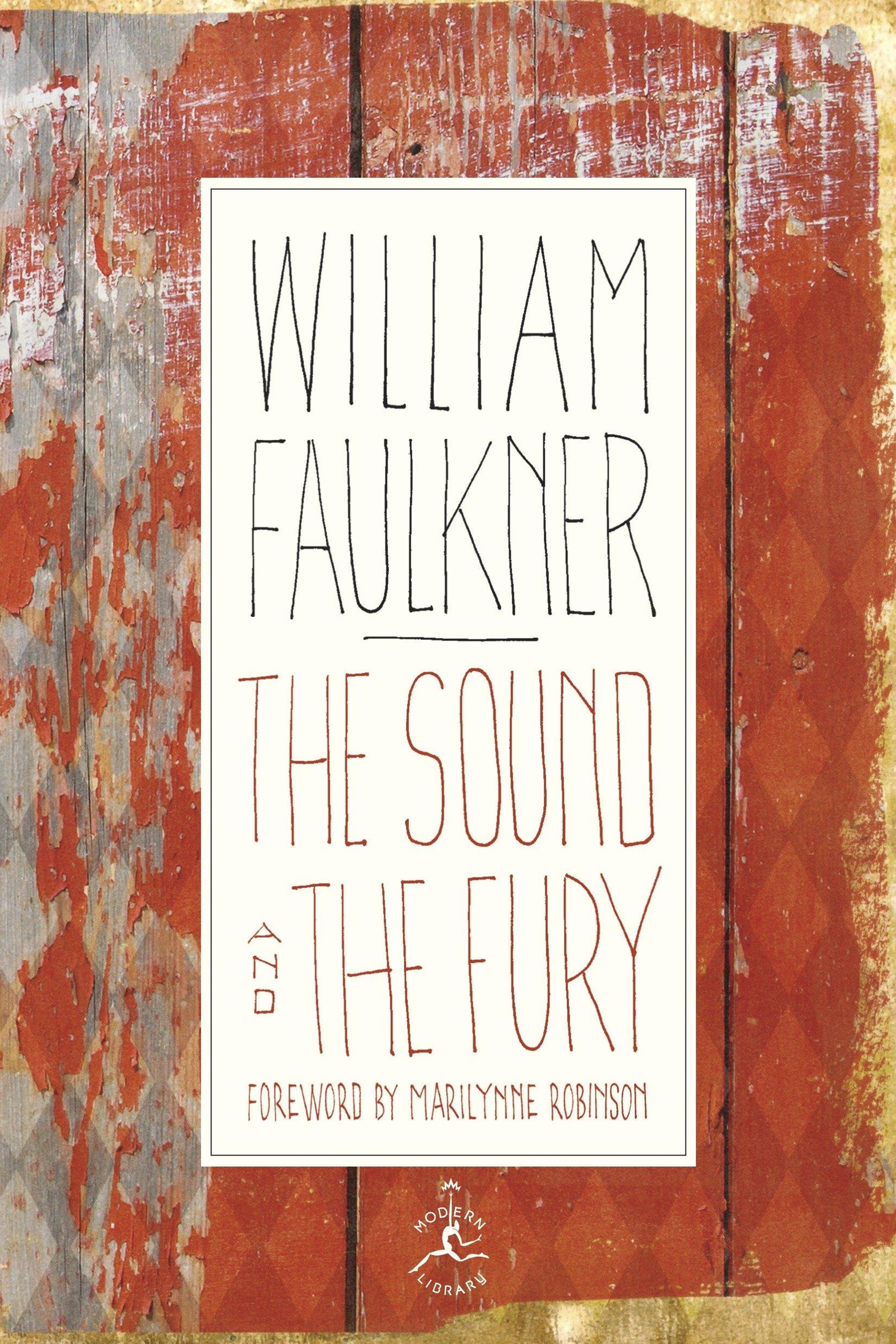
(soweit verfügbar beim Lieferanten)
- Verlag:
- Random House Publishing Group, 09/1992
- Einband:
- Gebunden
- Sprache:
- Englisch
- ISBN-13:
- 9780679600176
- Artikelnummer:
- 2100421
- Umfang:
- 368 Seiten
- Gewicht:
- 500 g
- Maße:
- 212 x 128 mm
- Stärke:
- 26 mm
- Erscheinungstermin:
- 5.9.1992
- Hinweis
-
Achtung: Artikel ist nicht in deutscher Sprache!
Weitere Ausgaben von The Sound and the Fury |
Preis |
|---|---|
| Buch, Gebunden, Englisch | EUR 18,15* |
Klappentext
Selected by the Modern Library as one of the 100 best novels of all time
From the Modern Library's new set of beautifully repackaged hardcover classics by William Faulkner-also available are Snopes, As I Lay Dying, Light in August, Absalom, Absalom!, and Selected Short Stories
The Sound and the Fury, first published in 1929, is perhaps William Faulkner's greatest book. It was immediately praised for its innovative narrative technique, and comparisons were made with Joyce and Dostoyevsky, but it did not receive popular acclaim until the late forties, shortly before Faulkner received the Nobel Prize for Literature.
The novel reveals the story of the disintegration of the Compson family, doomed inhabitants of Faulkner's mythical Yoknapatawpha County, through the interior monologues of the idiot Benjy and his brothers, Quentin and Jason. Featuring a new Foreword by Marilynne Robinson, this edition follows the text corrected in 1984 by Faulkner expert Noel Polk and corresponds as closely as possible to the author's original intentions. Included also is the Appendix that Faulkner wrote for The Portable Faulkner in 1946, which he called the "key to the whole book."
Biografie
William Faulkner, am 25. September 1897 in New Albany im Staat Missisippi/USA geboren, wuchs in der Nachbarstadt Oxford auf. Im I. Weltkrieg war er Kampfflieger. Nach seiner Rückkehr studierte er Literatur, schlug sich danach in verschiedenen handwerklichen Berufen durch, arbeitete aber auch als Journalist. Schließlich ließ er sich in seiner Heimatstadt als Farmer nieder. Faulkner schrieb zunächst Gedichte später Prosa. Erst die Zuerkennung des Literatur-Nobelpreises im Jahre 1949 machte ihn einem weiteren Publikum bekannt. Viele Themen zog er aus seinem eigenen Hintergrund der niedergegangenen Südstaatenwelt. Der Schriftsteller, der seine Farm in Oxford nie verlassen hat, starb dort am 6. Juli 1962 an einem Herzschlag.