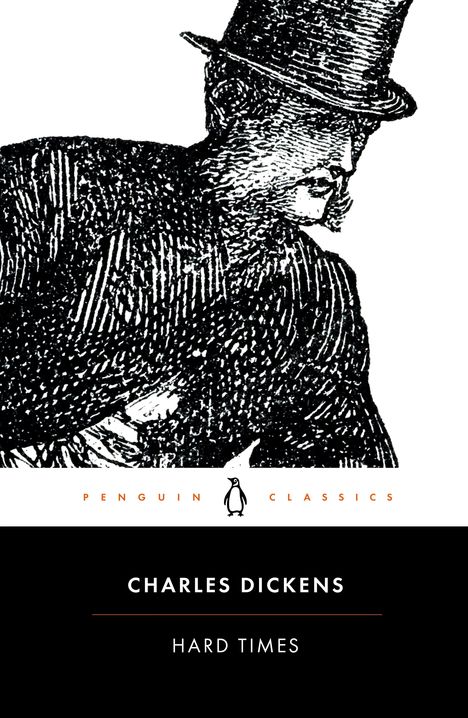
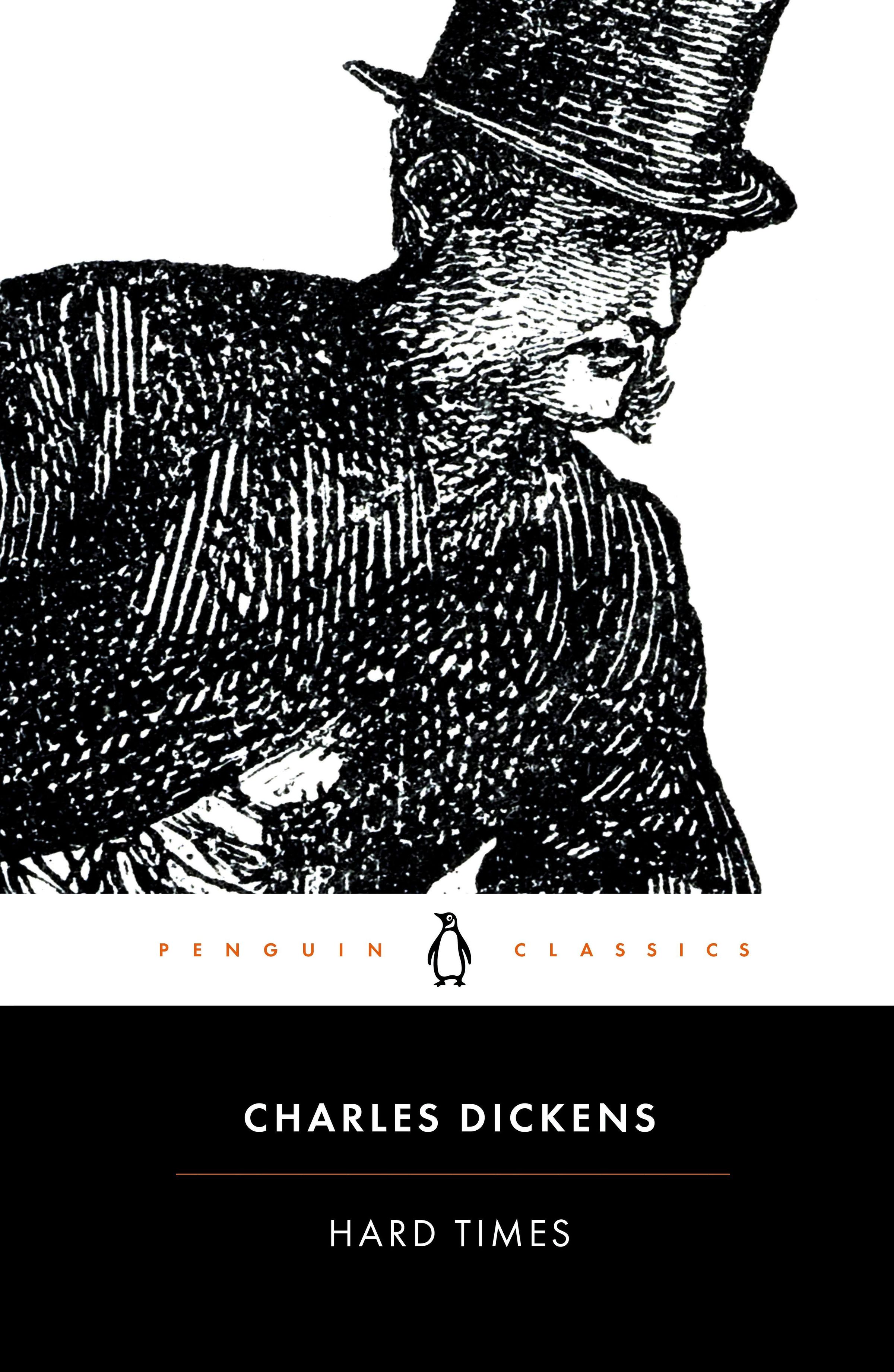
Charles Dickens: Hard Times, Kartoniert / Broschiert
Hard Times
- For these Times
- Verlag:
- Penguin Books Ltd (UK), 02/2003
- Einband:
- Kartoniert / Broschiert, B-format paperback
- Sprache:
- Englisch
- ISBN-13:
- 9780141439679
- Artikelnummer:
- 5157055
- Umfang:
- 368 Seiten
- Copyright-Jahr:
- 2003
- Gewicht:
- 277 g
- Maße:
- 200 x 131 mm
- Stärke:
- 27 mm
- Erscheinungstermin:
- 27.2.2003
- Hinweis
-
Achtung: Artikel ist nicht in deutscher Sprache!
Weitere Ausgaben von Hard Times |
Preis |
|---|---|
| Buch, Kartoniert / Broschiert, Englisch | EUR 33,22* |
| Buch, Gebunden, Englisch | EUR 79,90* |
| Buch, Gebunden, Englisch | EUR 52,17* |
Kurzbeschreibung
Coketown is dominated by the figure of Mr Thomas Gradgrind, school headmaster and model of Utilitarian success. Feeding both his pupils and family with facts, he bans fancy and wonder from any young minds. As a consequence his obedient daughter Louisa marries the loveless businessman and "bully of humanity" Mr Bounderby, and his son Tom rebels to become embroiled in gambling and robbery. And, as their fortunes cross with those of free-spirited circus girl Sissy Jupe and victimized weaver Stephen Blackpool, Gradgrind is eventually forced to recognize the value of the human heart in an age of materialism and machinery.
Beschreibung
The 'terrible mistake' was the contemporary utilitarian philosophy, expounded in Hard Times (1854) as the Philosophy of Fact by the hard-headed disciplinarian Thomas Gradgrind. But the novel, Dickens's shortest, is more than a polemical tract for the times; the tragic story of Louisa Gradgrind and her father is one of Dickens's triumphs. When Louisa, trapped in a loveless marriage, falls prey to an idle seducer, the crisis forces her father to reconsider his cherished system. Yet even as the development of the story reflects Dickens's growing pessimism about human nature and society, Hard Times marks his return to the theme which had made his early works so popular: the amusements of the people. Sleary's circus represents Dickens's most considered defence of the necessity of entertainment, and infuses the novel with the good humour which has ensured its appeal to generations of readers.
Klappentext
'Teach these boys and girls nothing but Facts. Facts alone are wanted in life. Plant nothing else, and root out everything else'
Dickens's novel honouring the value of the human heart in an age of materialism centres on Coketown, where Mr Thomas Gradgrind, school owner and model of Utilitarian success, feeds his pupils and his family with facts, banning fancy and wonder from young minds. As a consequence his obedient daughter Louisa becomes trapped in a loveless marriage, and his son Tom rebels to become embroiled in crime. As their fortunes cross with those of a free-spirited circus girl and a victimized weaver, Gradgrind is forced to question everything he believes in.
Edited with an Introduction and notes by KATE FLINT
Biografie
Charles Dickens (1812-1870), geboren in Landport bei Portsea, wuchs in Chatham bei London auf. Als er elf Jahre alt war, musste sein Vater wegen nicht eingelöster Schuldscheine ins Schuldgefängnis; seine Mutter folgte ihm mit Charles' Geschwistern dorthin. Charles, das zweitälteste Kind, musste währenddessen in einer Schuhwichsfabrik arbeiten. Erst als der Vater nach einigen Monaten entlassen wurde, besuchte Charles wieder eine Schule. Mit fünfzehn begann er in einem Rechtsanwaltsbüro als Gehilfe zu arbeiten, später wurde er Zeitungsreporter. §Seine schriftstellerische Karriere begann er mit seinen Skizzen des Londoner Alltagslebens. Anschließend entstanden in rascher Folge die ersten Romane. Dickens wurde Herausgeber der liberalen Londoner Zeitung "Daily News", reiste in die USA und nach Italien und verfasste 1848/1849 "David Copperfield", der viel autobiographisches Material enthält. §Dickens' liebevolle Schilderungen menschlicher Schwächen, sein Kosmos skurriler und schrulliger englischer "Originale" und die satirische Anprangerung sozialer Missstände machten ihn bereits zu Lebzeiten zu einem der beliebtesten Romanciers der Weltliteratur. Seine Bücher brachten ihm außerdem beträchtlichen Wohlstand ein. Seit 1860 lebte er auf seinem Landsitz Gad's Hill Place in Kent, wo er im Alter von nur 58 Jahren an einem Schlaganfall starb.