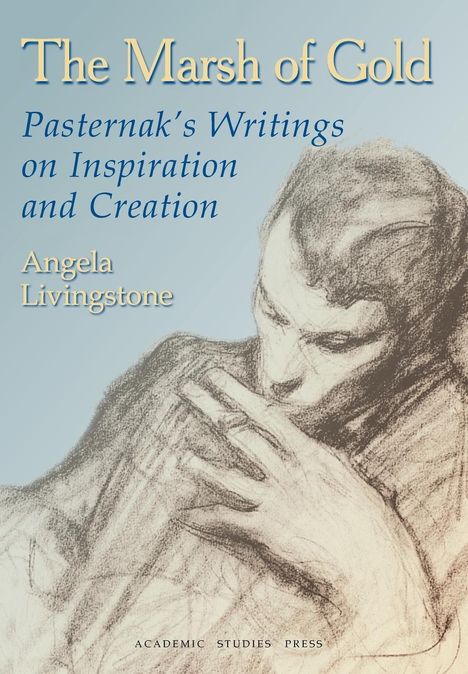
Boris Pasternak: The Marsh of Gold. Pasternak's Writings on Inspiration and Creation, Gebunden
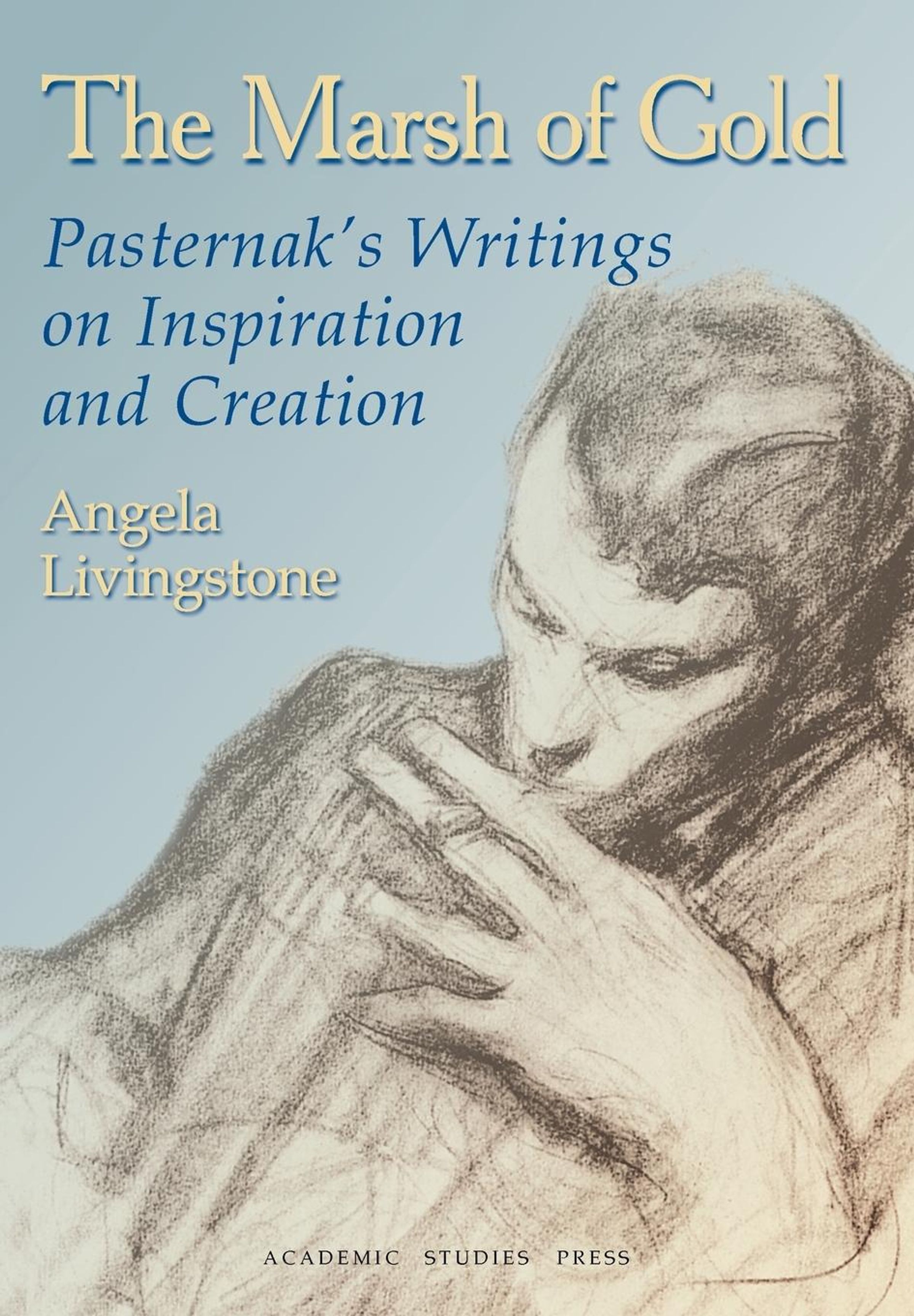
The Marsh of Gold. Pasternak's Writings on Inspiration and Creation
(soweit verfügbar beim Lieferanten)
- Kommentar:
- Angela Livingstone
- Übersetzung:
- Angela Livingstone
- Verlag:
- Academic Studies Press, 09/2008
- Einband:
- Gebunden, HC gerader Rücken mit Schutzumschlag
- Sprache:
- Englisch
- ISBN-13:
- 9781934843239
- Artikelnummer:
- 7505933
- Umfang:
- 330 Seiten
- Gewicht:
- 675 g
- Maße:
- 240 x 161 mm
- Stärke:
- 22 mm
- Erscheinungstermin:
- 1.9.2008
- Hinweis
-
Achtung: Artikel ist nicht in deutscher Sprache!
Weitere Ausgaben von The Marsh of Gold. Pasternak's Writings on Inspiration and Creation |
Preis |
|---|
Klappentext
Major statements by the celebrated Russian poet Boris Pasternak (1890-1960) about poetry, inspiration, the creative process, and the significance of artistic / literary creativity in his own life as well as in human life altogether, are presented here in his own words (in translation) and are discussed in the extensive commentaries and introduction. The texts range from 1910 to 1946 and are between two and ninety pages long. There are commentaries on all the texts, as well as a final essay on Pasternak's famous novel, Doctor Zhivago, which is looked at here in the light of what it says on art and inspiration. Although universally acknowledged as one of the great writers of the twentieth century, Pasternak is not yet sufficiently recognized as the highly original and important thinker that he also was. All his life he thought and wrote about the nature and significance of the experience of inspiration, though avoiding the word "inspiration" where possible as his own views were not the conventional ones. The author's purpose is (a) to make this philosophical aspect of his work better known, and (b) to communicate to readers who cannot read Russian the pleasure and interest of an "inspired" life as Pasternak experienced it.
Biografie (Boris Pasternak)
Boris Pasternak, geb. 10.2.1890, war bereits im Alter von 14 Jahren Schüler des Komponisten Alexander Skrjabin. Nach dem Abitur 1908 studierte er zunächst Jura, wechselte jedoch sehr bald zur historisch-philosophischen Fakultät über. Nach einem Auslandssemester im Sommer 1912 an der Philipps-Universität in Marburg beendete er 1913 in Moskau sein Studium. 1914 veröffentlichte er seinen ersten Gedichtband. Schon in den 20er Jahren zählte er zu den bedeutendsten modernen Lyrikern Russlands. Ab den 30er Jahren verdiente er seinen Lebensunterhalt überwiegend als Übersetzter, unter anderen von Werken William Shakespeares, Johann Wolfgang von Goethes, Heinrich von Kleists, Rainer Maria Rilkes und Ben Jonsons. Zunächst 'überaus dankbar, gerührt, stolz, erstaunt, beschämt', lehnte er den ihm 1958 zugesprochenen Nobelpreis ab, da die sowjetische Regierung ihm mit Ausbürgerung drohte. Trotz des Verzichts wurde der als 'Landesverräter' bezeichnete Pasternak aus dem Schriftstellerverband ausgeschlossen. Boris Pasternak starb am 30.5.1960 an Lungenkrebs in Peredelkino bei Moskau. Fast 30 Jahre nach Pasternaks Tod nahm 1989 sein Sohn den von ihm unfreiwillig abgelehnten Nobelpreis in Stockholm stellvertretend an.