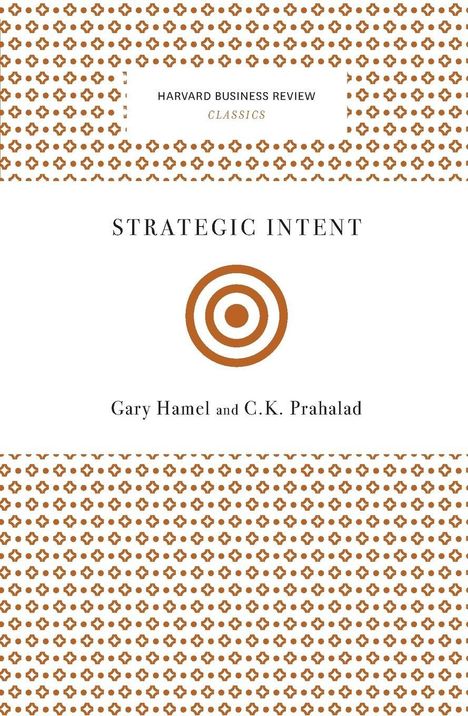
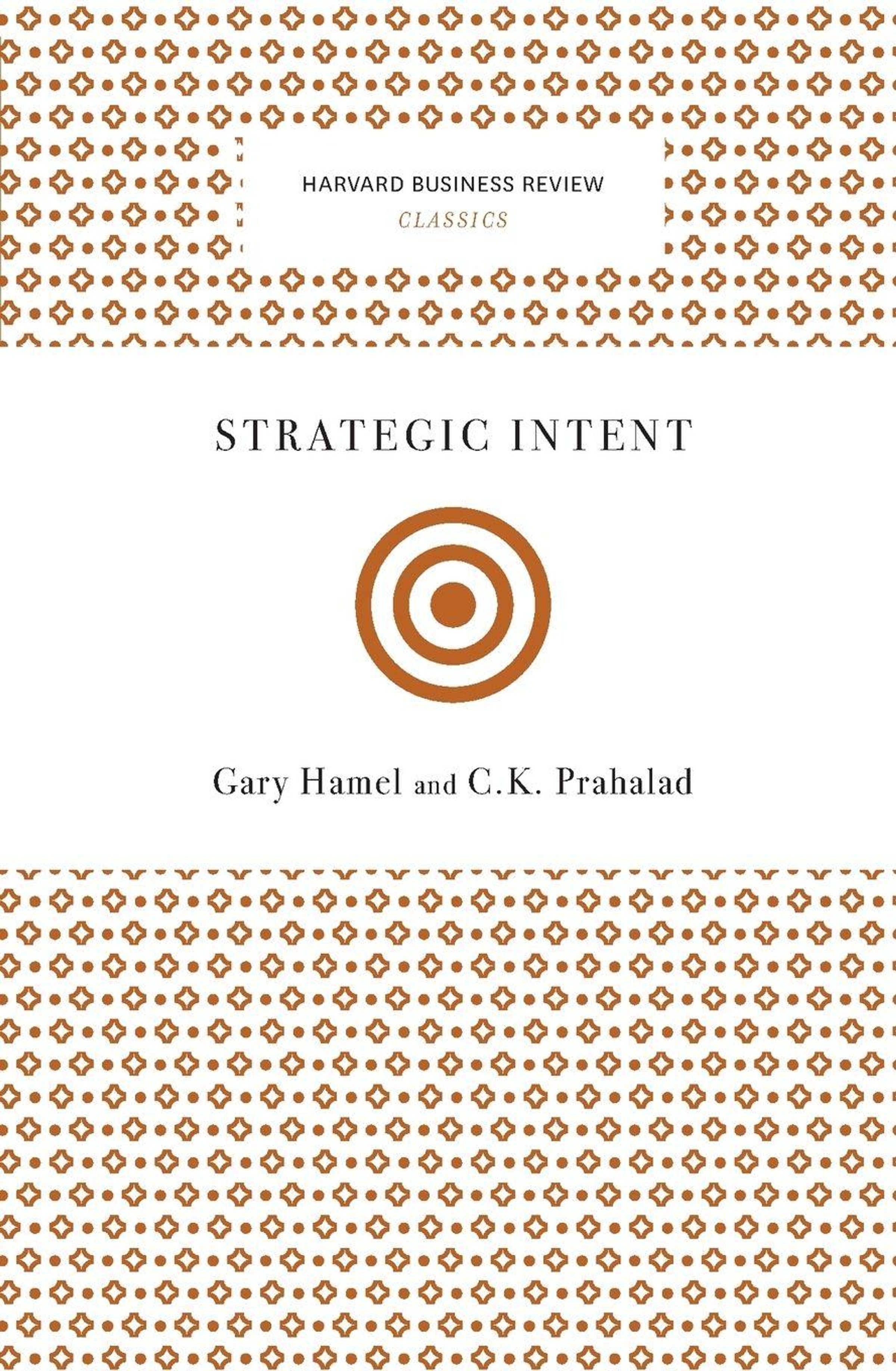
Gary Hamel: Strategic Intent, Kartoniert / Broschiert
Strategic Intent
(soweit verfügbar beim Lieferanten)
- Verlag:
- Harvard Business Review Press, 06/2010
- Einband:
- Kartoniert / Broschiert
- Sprache:
- Englisch
- ISBN-13:
- 9781422136546
- Artikelnummer:
- 6673680
- Umfang:
- 112 Seiten
- Copyright-Jahr:
- 2010
- Gewicht:
- 92 g
- Maße:
- 166 x 108 mm
- Stärke:
- 8 mm
- Erscheinungstermin:
- 21.6.2010
- Serie:
- Harvard Business Review Press
- Hinweis
-
Achtung: Artikel ist nicht in deutscher Sprache!
Klappentext
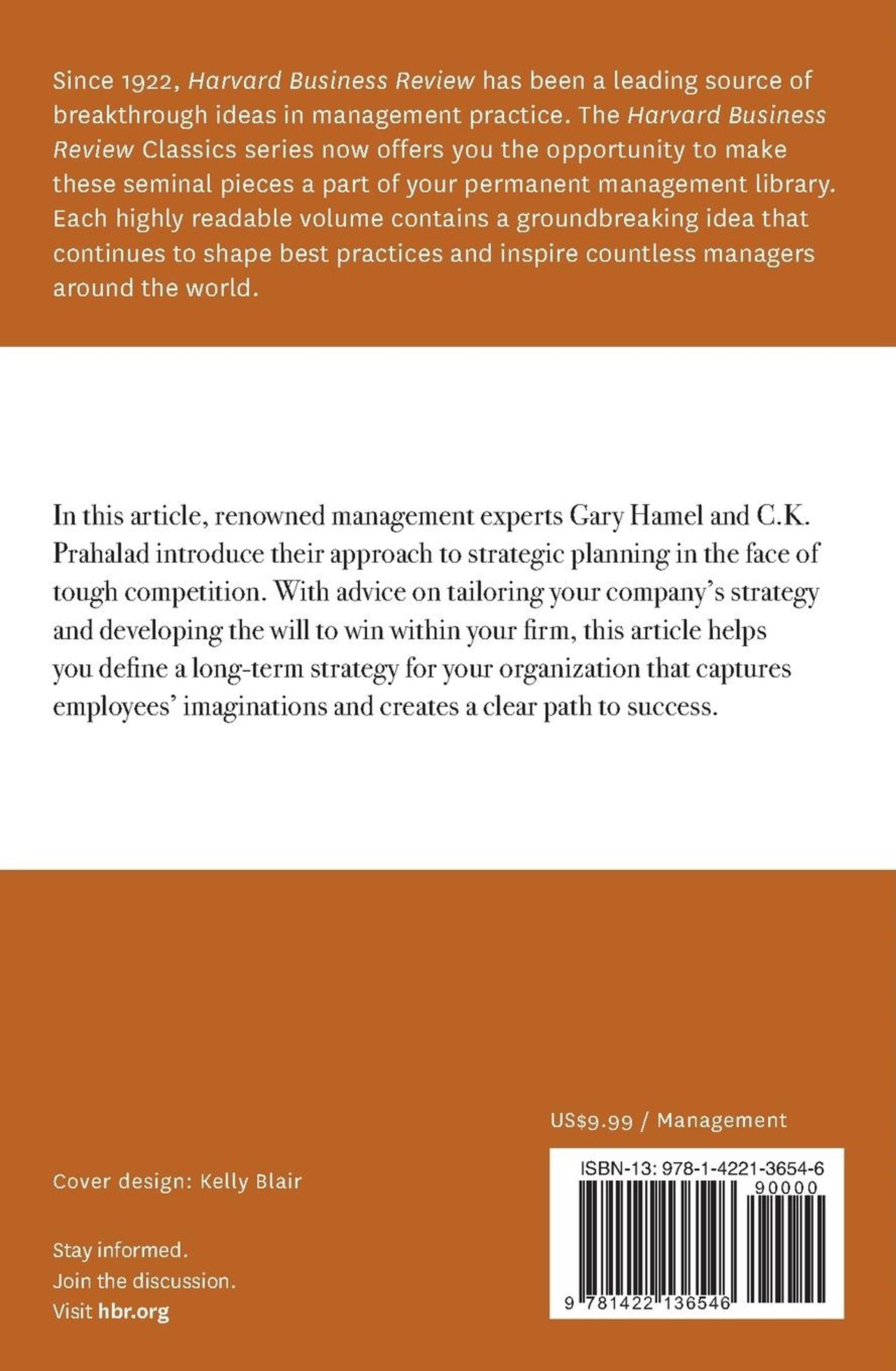
In this McKinsey Award-winning article, first published in May 1989, Gary Hamel and C. K. Prahalad explain that Western companies have wasted too much time and energy replicating the cost and quality advantages their global competitors already experience. Canon and other world-class competitors have taken a different approach to strategy: one of strategic intent. They begin with a goal that exceeds the company's present grasp and existing resources: "Beat Xerox"; "encircle Caterpillar." Then they rally the organization to close the gap by setting challenges that focus employees' efforts in the near to medium term: "Build a personal copier to sell for $1, 000"; "cut product development time by 75%." Year after year, they emphasize competitive innovation-building a portfolio of competitive advantages; searching markets for "loose bricks" that rivals have left underdefended; changing the terms of competitive engagement to avoid playing by the leader's rules. The result is a global leadership position and an approach to competition that has reduced larger, stronger Western rivals to playing an endless game of catch-up.
Biografie (Gary Hamel)
Gary Hamel ist Professor für strategisches und internationales Management an der London Business School; er war als Berater für Unternehmen in aller Welt tätig, darunter für Rockwell, Motorola, Alcoa, Nokia, EEDS, Ford und Dow Chemical.Biografie (C. K. Prahalad)
C. K. Prahalad ist Professor für Unternehmensstrategien und internationalen Handel an der University of Michigan Business School. Sein Artikel 'Das Ende des Firmen-Imperialismus' gewann 1998 den McKinsey-Preis für den besten Artikel des Jahres im 'Harvard Business Review'.